
Exploring the hidden psychology behind gambling behavior
The Allure of Risk and Reward
Gambling fundamentally revolves around the concept of risk versus reward, tapping into a psychological mechanism that excites the human brain. The thrill of potentially winning a significant sum of money creates a rush of adrenaline, often overshadowing the dangers of loss. This excitement is magnified in environments designed to enhance sensory stimulation, such as casinos, where bright lights and sounds create an atmosphere of urgency and desire. Players are often lured in by the promise of an easy win, which can lead to impulsive decisions without a thorough assessment of the risks involved. For an exciting experience, many players turn to platforms like https://abukingcasino.co.uk, exploring diverse gaming options.

The anticipation involved in gambling activates the brain’s reward system, releasing dopamine, a neurotransmitter associated with pleasure and motivation. This biochemical reaction can create a cycle of behavior where the gambler continuously seeks the high associated with winning, often leading to repeated play despite previous losses. This cycle is similar to addictive behaviors observed in substance abuse, emphasizing how gambling can lead to a compulsive cycle of risk-taking and reward-seeking, further complicating a person’s relationship with money and self-control.
Moreover, the desire for social engagement plays a crucial role in gambling behavior. Many individuals associate gambling with social activities, seeing it as a means to connect with friends or even strangers. This social aspect can enhance the overall experience, making the act of gambling more enjoyable and fostering a sense of community among players. However, it can also mask the underlying psychological issues related to gambling addiction, as individuals may prioritize social experiences over their financial well-being.
The Illusion of Control
One of the most fascinating aspects of gambling psychology is the illusion of control. Many players believe they can influence the outcome of games, especially in skill-based activities like poker or blackjack. This false sense of mastery can be incredibly empowering, leading individuals to engage in riskier behavior as they feel capable of outsmarting the house or other players. This belief can blur the lines between chance and skill, making it challenging for individuals to recognize the inherent unpredictability of gambling outcomes.
This illusion of control is often reinforced by near-miss outcomes, where players come close to winning but ultimately do not. For example, hitting two out of three symbols on a slot machine can lead players to think they are on the verge of a win, prompting them to continue playing. These near misses can create a psychological reward that encourages further betting, perpetuating a cycle of play. Gamblers may rationalize their losses by focusing on these near misses, believing that a big win is just around the corner.
Additionally, cognitive biases play a significant role in reinforcing this illusion. Gamblers often exhibit confirmation bias, where they remember wins more vividly than losses, creating a skewed perception of their gambling success. This tendency can lead individuals to underestimate the true odds of winning and rationalize their continued investment in gambling activities, further entrenching their habits and financial risk.
The Role of Environment and Marketing
The environment where gambling takes place plays a pivotal role in influencing behavior. Casinos are strategically designed to maximize player engagement, featuring layouts that encourage exploration and play. The absence of clocks, the presence of free drinks, and the alluring sounds of winning machines all contribute to an atmosphere that fosters extended play. These elements work together to distract gamblers from the realities of time and money spent, making it easy for individuals to lose track of their limits.
Moreover, marketing tactics employed by gambling establishments heavily influence player behavior. Promotions, bonuses, and loyalty rewards are common strategies that entice players to return, often creating a false sense of value. The allure of receiving something for “free” can lead individuals to overlook the associated risks, as they focus on the immediate gratification rather than the long-term consequences of their gambling habits. This marketing-driven approach can perpetuate unhealthy gambling behavior by making it seem more appealing and acceptable.
The role of technology cannot be overlooked, either. With the rise of online gambling, access to games has become easier than ever. Players can now gamble from the comfort of their own homes, making it simpler to engage in impulsive behavior without the social barriers present in physical casinos. The constant availability of gambling platforms can exacerbate existing issues related to addiction, as individuals may find it difficult to resist the temptation to play, especially during moments of stress or boredom.
The psychological impacts of gambling behavior can be profound and far-reaching. For many, the thrill of gambling may start as an enjoyable pastime but can escalate into a compulsive behavior that disrupts personal relationships and financial stability. The emotional rollercoaster of wins and losses can lead to significant stress, anxiety, and depression, as individuals grapple with the consequences of their actions. The inability to control gambling urges can result in feelings of shame and isolation, further deepening the emotional toll.
Gambling addiction shares many similarities with other forms of addiction, including substance abuse. The compulsive nature of gambling can lead to significant financial consequences, including debt and bankruptcy. Many individuals may resort to borrowing money or engaging in unethical behaviors to fund their gambling habits, compounding their problems. Understanding these patterns is crucial for developing effective treatment approaches for those struggling with gambling addiction.
Moreover, support networks play a vital role in recovery for those affected by gambling addiction. Programs and counseling services can provide individuals with the tools necessary to regain control over their behavior and rebuild their lives. Education and awareness are key components in addressing gambling addiction, as understanding the psychological factors at play can empower individuals to seek help and make informed choices about their gambling habits.
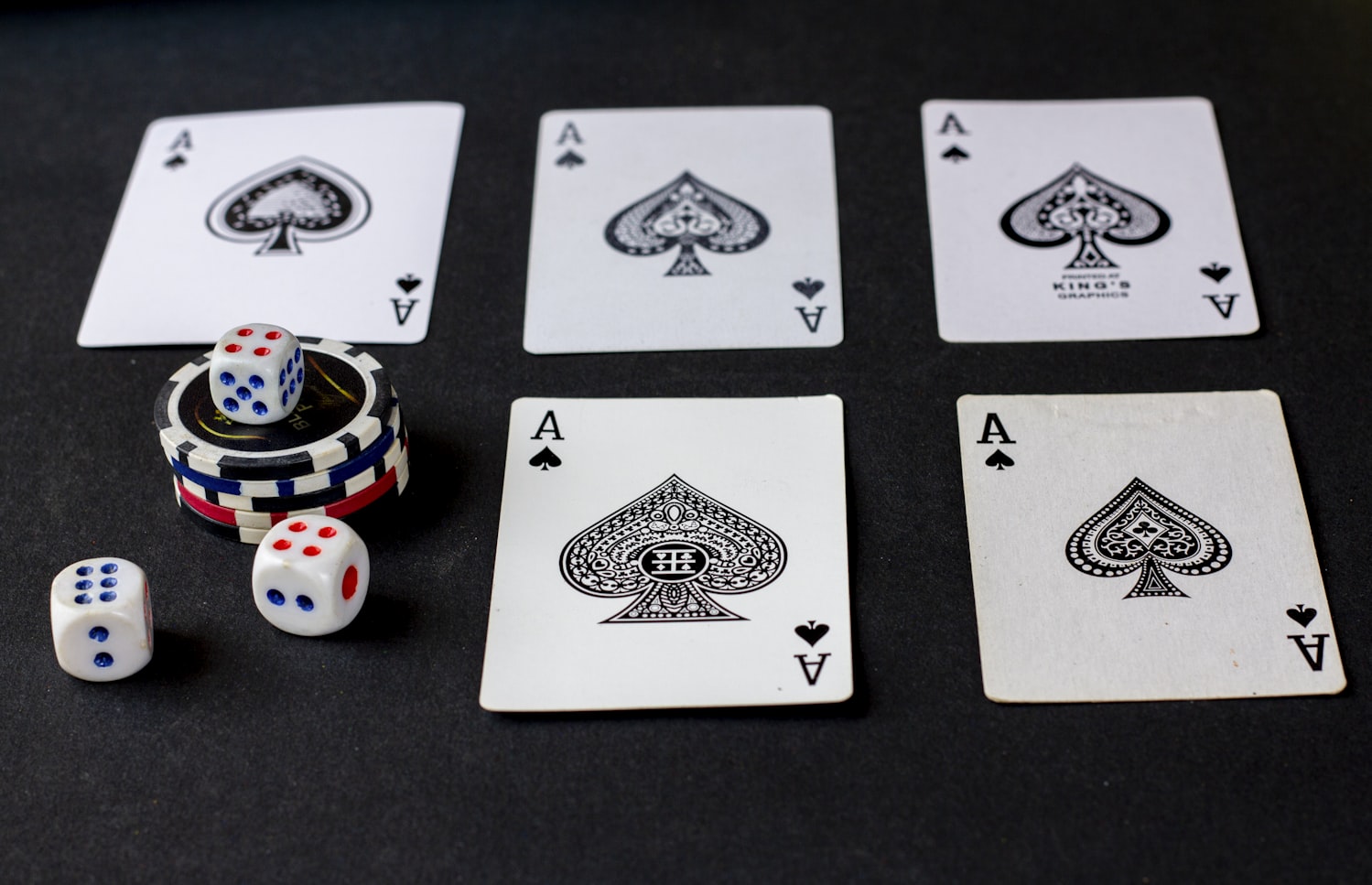
Discovering Online Gaming at Abu King Casino
For those intrigued by the dynamics of gambling, Abu King Casino offers an extensive selection of online games that cater to both new and experienced players. This platform provides an engaging environment where you can explore the thrilling world of online gaming while being aware of the psychological aspects that drive gambling behavior. It ensures a safe gaming experience with robust data protection measures, allowing players to focus on their entertainment without concerns about privacy.
Additionally, Abu King Casino is designed with user experience in mind, offering seamless mobile access and dedicated customer support to enhance player satisfaction. The platform features generous bonuses and promotions, including free spins, which are part of a strategic approach to attract and retain players. However, it is essential to remain mindful of the underlying psychology that can influence gambling behavior, ensuring that enjoyment remains the primary focus.
By understanding the hidden psychology behind gambling, players can engage with platforms like Abu King Casino in a responsible manner, balancing fun with awareness of their gambling habits. It is essential to approach gambling as a form of entertainment rather than a means of income, enabling a healthier relationship with gaming and fostering a more enjoyable experience overall.